
Polish companies finance their growth mainly from profit, but before they can invest it, they have to pay tax on it. According to PIE and BGK data, 96% of companies planning to grow reach for their own money, and only 38% for a loan or credit. The development of Polish enterprises therefore depends above all on how much they earn themselves. Because a company pays tax on profit before it has a chance to invest that profit, CIT directly affects the pace of its growth. Small and medium-sized enterprises, for which external capital is the hardest to obtain, feel this most strongly.
Poland is looking for a new growth model today, and the Estonian CIT is one of the tools that can bring results quickly. Under this model, a company pays tax only when it distributes profit, and until then it can freely reinvest the funds it has earned. In Estonia, this model has been in place for more than 25 years.
In Poland, only about 20,000 companies have chosen the Estonian CIT so far — roughly one in ten CIT-paying firms. One of the reasons is the restrictions: only companies with the simplest structure can use this solution, with no subsidiaries and with shareholders who are exclusively natural persons. That is why most Polish companies still pay tax on profit before they have a chance to invest it.
Programme
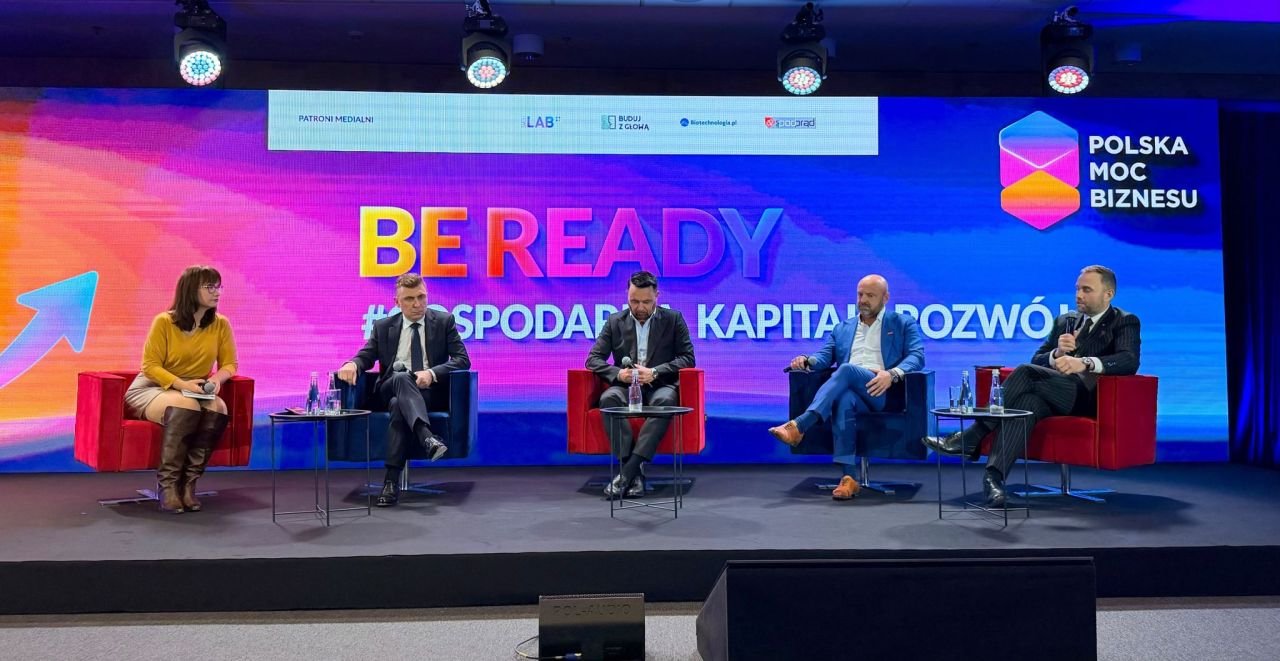
Researchers will present the results of their analyses, and Krzysztof Pawiński, in his opening address, will describe what financing investment from own profits looks like from an entrepreneur’s perspective. In the panel on the future of the Estonian CIT, economists and academics will discuss how this model can support investment by Polish companies. Panellists: Krzysztof Pawiński, PhD Eng.; Prof. Mariusz Próchniak, PhD Hab.; Marek Niedużak, PhD; Ernest Pytlarczyk, PhD; Marcin Zieliński.
Who is it for
We invite entrepreneurs, tax advisers, economists, journalists and students. Participation is free of charge but requires prior registration through the form on the SGH website.