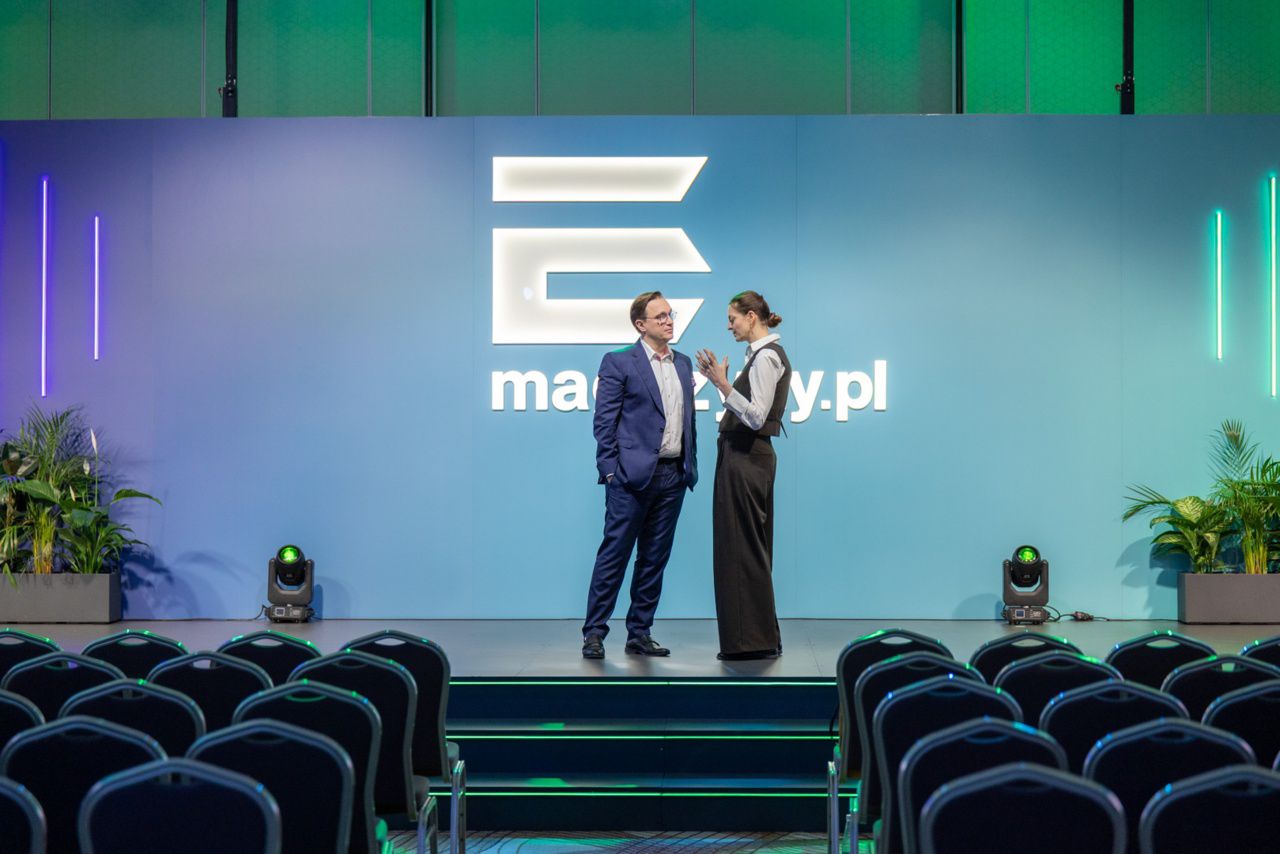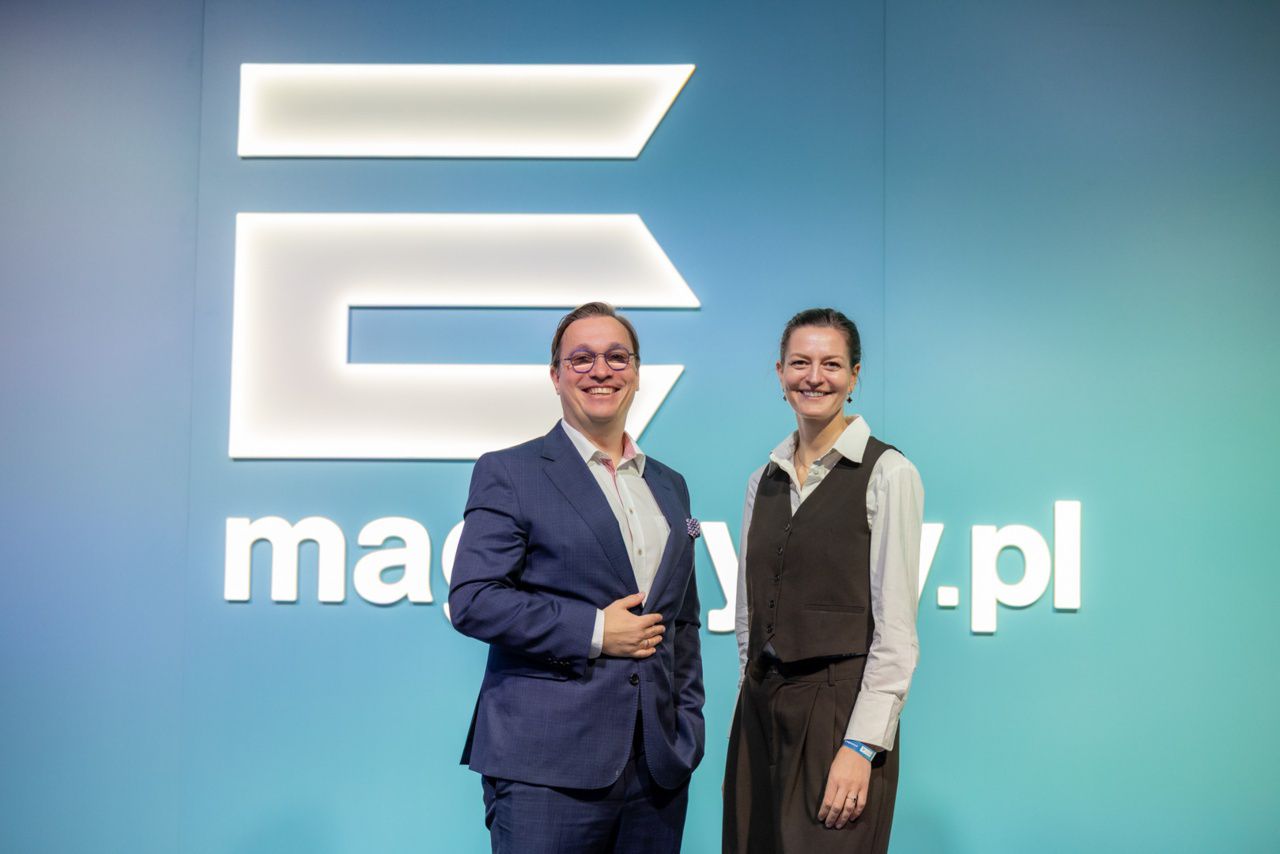
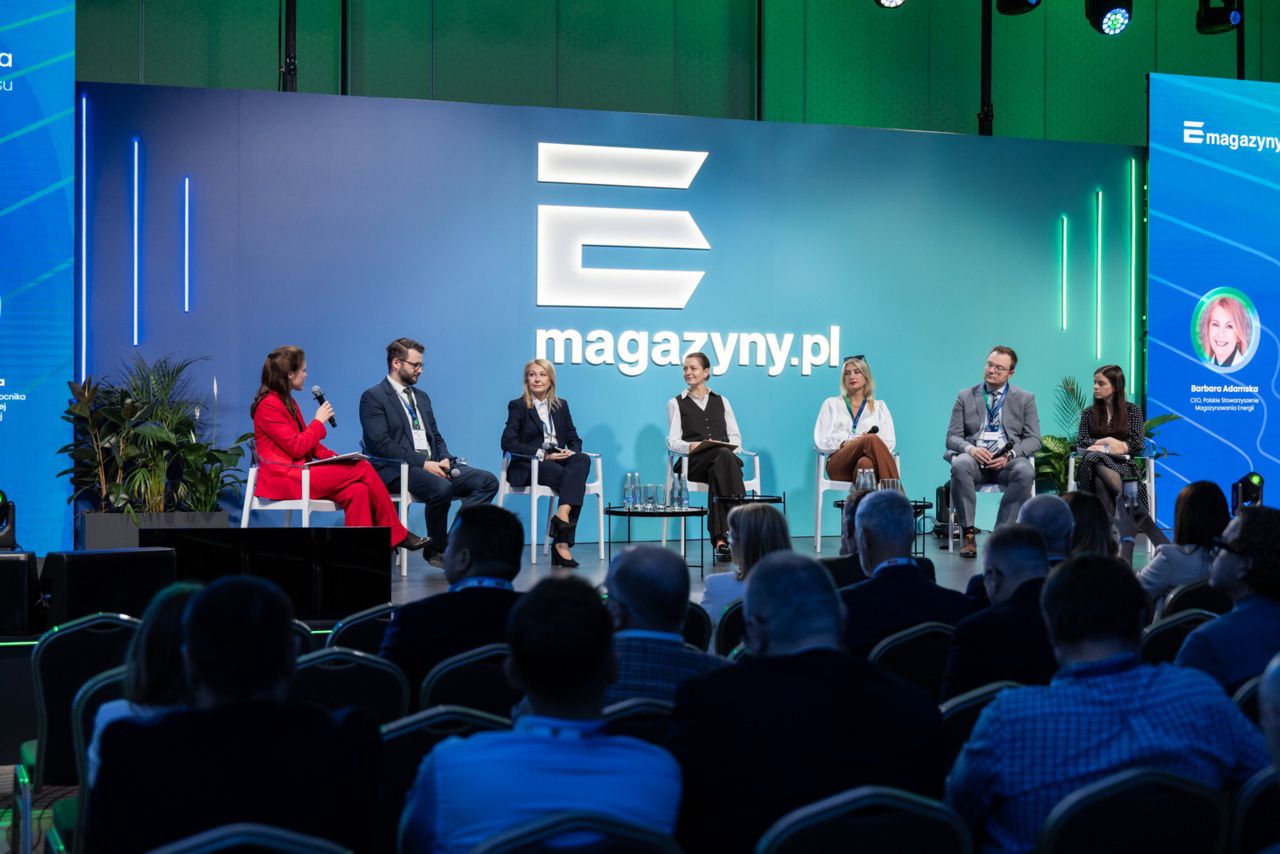
On 28 April, the conference “Energy Transition – New Technologies and Business Challenges” opened in Warsaw. The event brings together leaders, experts and practitioners of the energy transition.
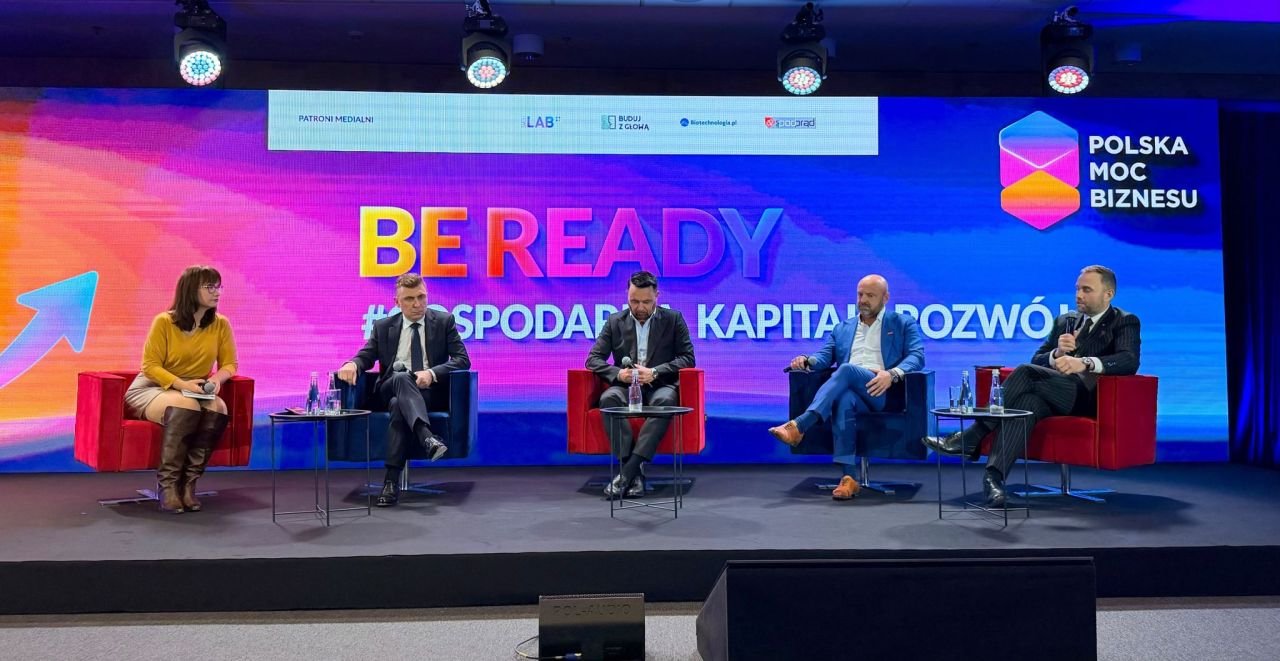
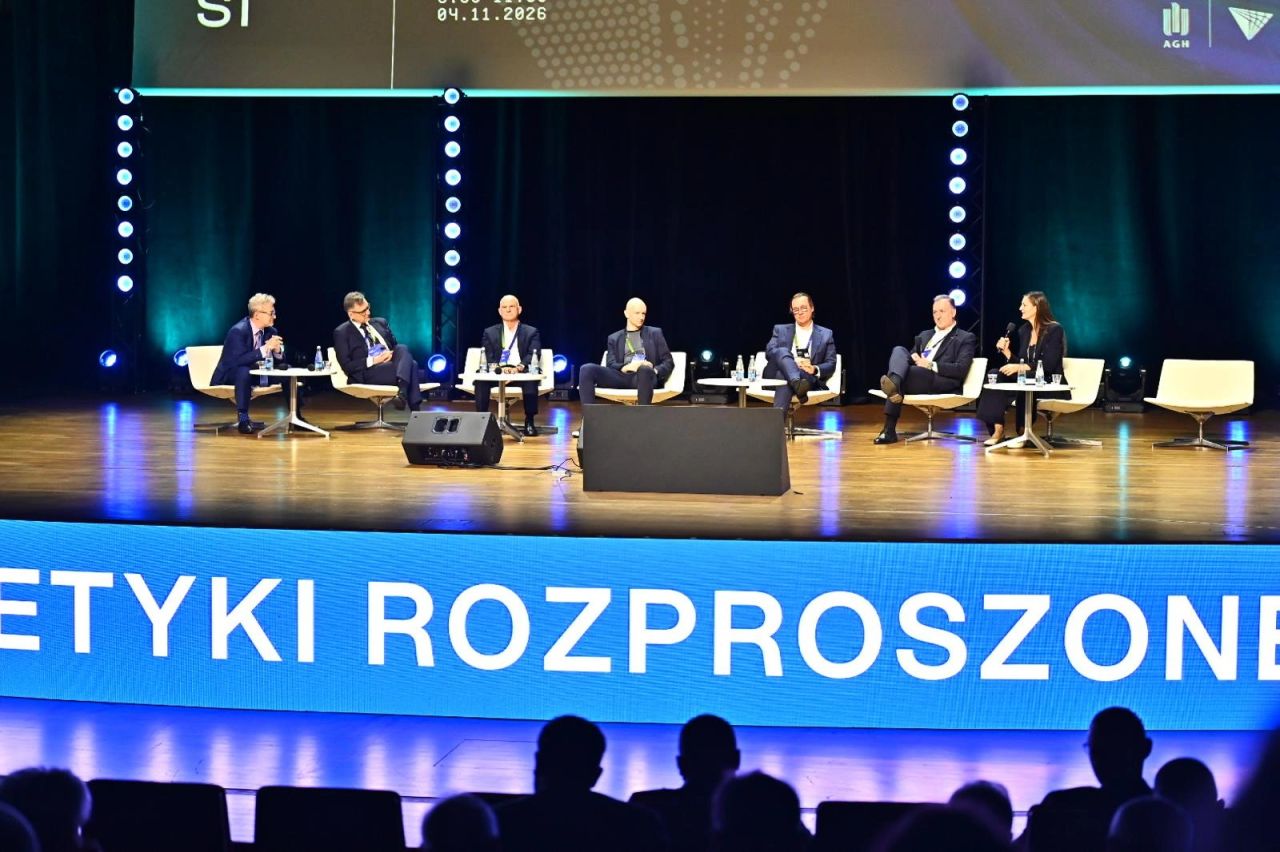
Think Tank The Company took part in the panel “Local content in the energy transition – can Poland build its own industry?”. The discussion gathered representatives of ministries, regulators and industry leaders around a question that will define Polish industrial policy for the next two decades: how to design the energy transition so that its economic effects remain in Poland?
A scale that demands strategy. The context of the debate is unprecedented. Energy investments in Poland are expected to reach PLN 2.7–3.5 trillion by 2040, of which PLN 283–390 billion will be spent by 2030. Most projects scheduled for delivery by 2032 are already under way or in construction. The question is therefore not whether the transition will happen, but who will earn from it.
The Polish path: not a recipe, but a deliberate strategic choice. The last 18 months have been a time of dialogue between the government and entrepreneurs – and for Think Tank The Company, a year of deregulation. The goal of the dialogue between government and business was to make it easier for Polish entrepreneurs to operate in their own country.
“Our path must be different: not copying protectionism, but designing procurement criteria so that local value is naturally rewarded. In many countries local content is the standard, it is just rarely named explicitly. France very consciously builds its value chains around large national champions who act as natural project integrators and pull local suppliers along with them. Germany does it through a strong link between industry, financing and public procurement – local companies are supported systemically, including by development banks and industrial policy,” said Eliza Kruczkowska, Managing Director of the think tank.
What emerged from the panel: three areas for action. The discussion confirmed that Poland has real potential, but it requires systemic activation in three areas.
First, public procurement. As Przemysław Grosfeld from the Public Procurement Office noted, the state's purchasing policy already gives contracting authorities tools to favour EU-based companies. What is missing, however, is their active use and a stronger market understanding on the side of public institutions. The Ministry of State Assets announced the introduction of KPIs for the management boards of State Treasury companies linked to the share of domestic content, together with financial incentives. Changes in payment terms, shorter deadlines and adjustments to the financial capacity of domestic contractors are also planned.
Second, energy storage. Barbara Adamska from the Polish Energy Storage Association pointed out that 2026 is a breakthrough year for the sector: Poland is already the world's second-largest battery producer, and the module integrating storage with the grid generates 40–60% of value locally. Gravity storage technologies can reach almost 100% domestic share. The sector is increasingly seen as strategic from the perspective of national security.
Third, wind energy. Dominika Taranko from the Wind Industry Hub noted that, with planned capacity of 20–35 GW onshore and 18 GW offshore by 2040, the share of domestic components in offshore projects today is only a few to a dozen per cent. Reaching 40–45% in the second phase requires systemic solutions, including a government agency dedicated to supply-chain development, modelled on the British example. The Wind Industry Development Strategy is expected to be published in May.
All panellists agreed that local content is not protectionism – it is a way to make public money work for the domestic economy, in line with EU law and without breaching competition rules.
The coming weeks as a time of decisions. The update of the National Energy and Climate Plan, due to be submitted to the European Commission in the coming weeks, will set the investment framework and indicators for the share of local content. For the market, it will be the first clear signal of what the state expects from investors – and whether the deliberate strategic choice mentioned by Eliza Kruczkowska is starting to translate into concrete numbers.
An energy transition of this scale requires not only capital. It requires a strategy that will ensure the Polish economy is not merely its passive recipient.
Gallery